Fatbikes
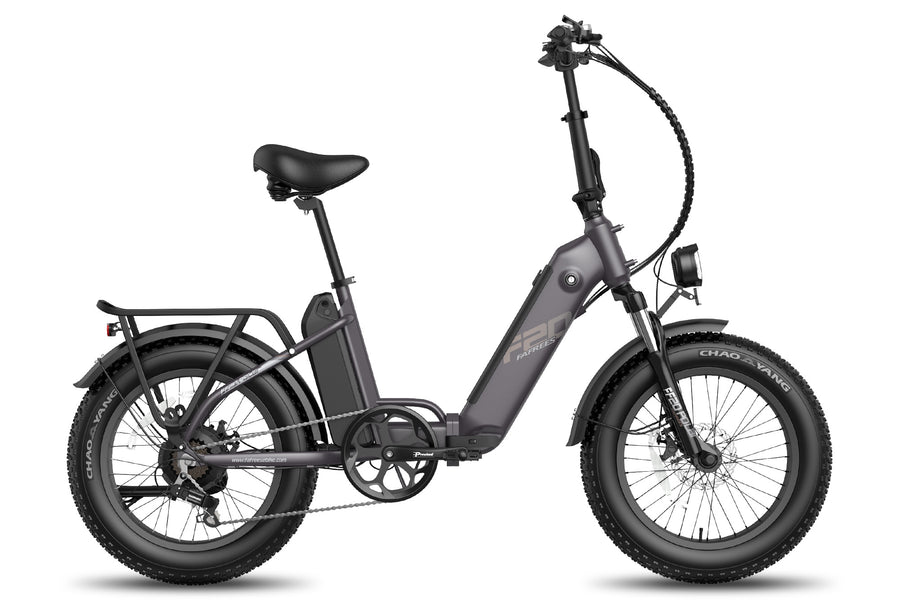
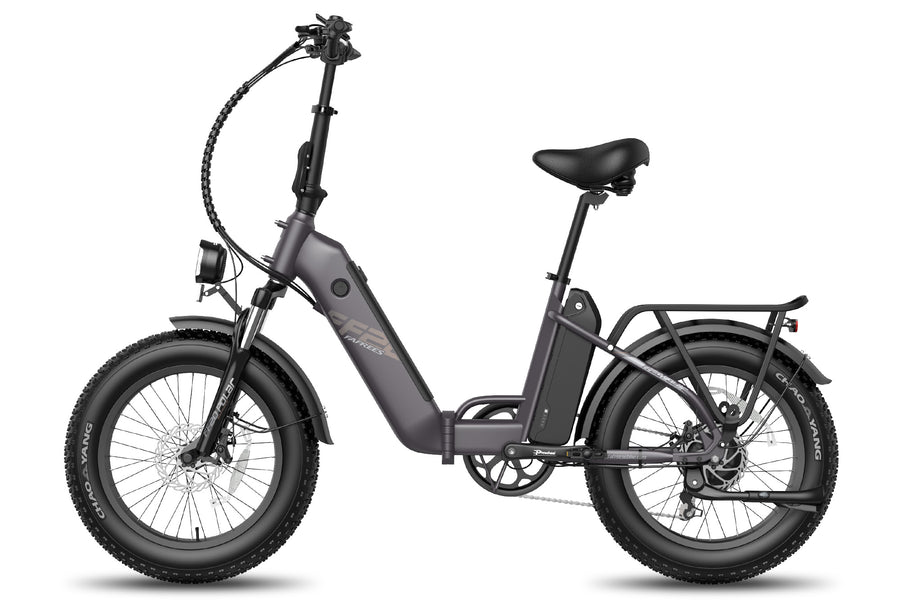
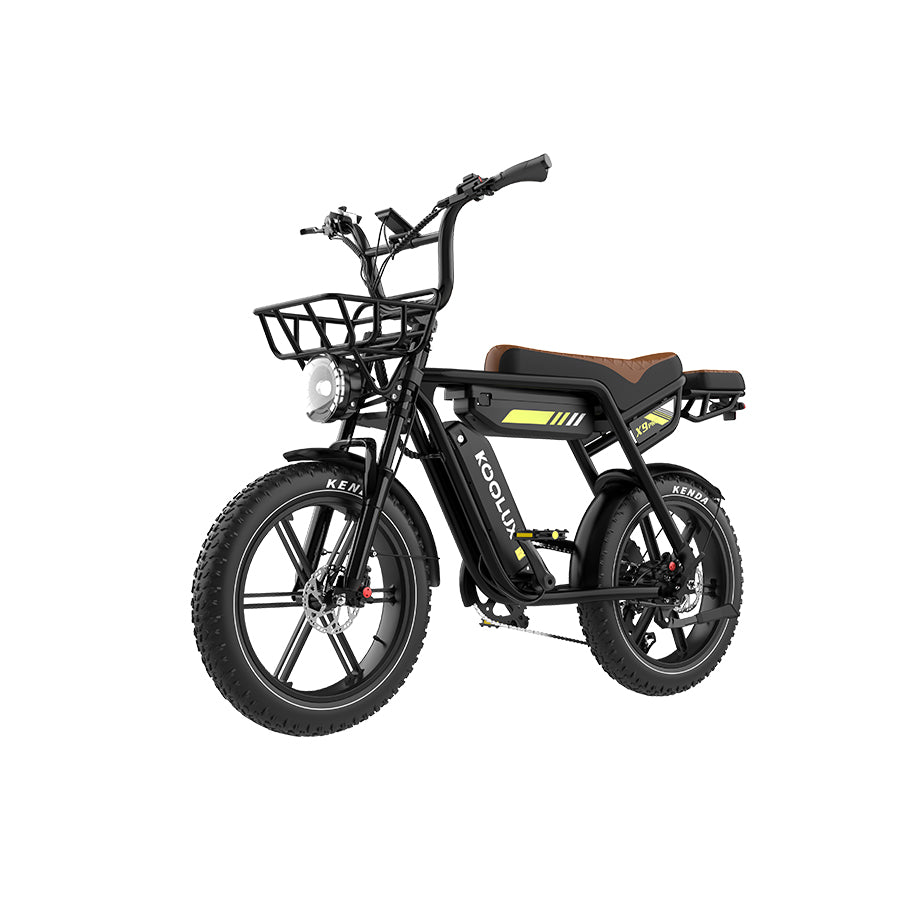
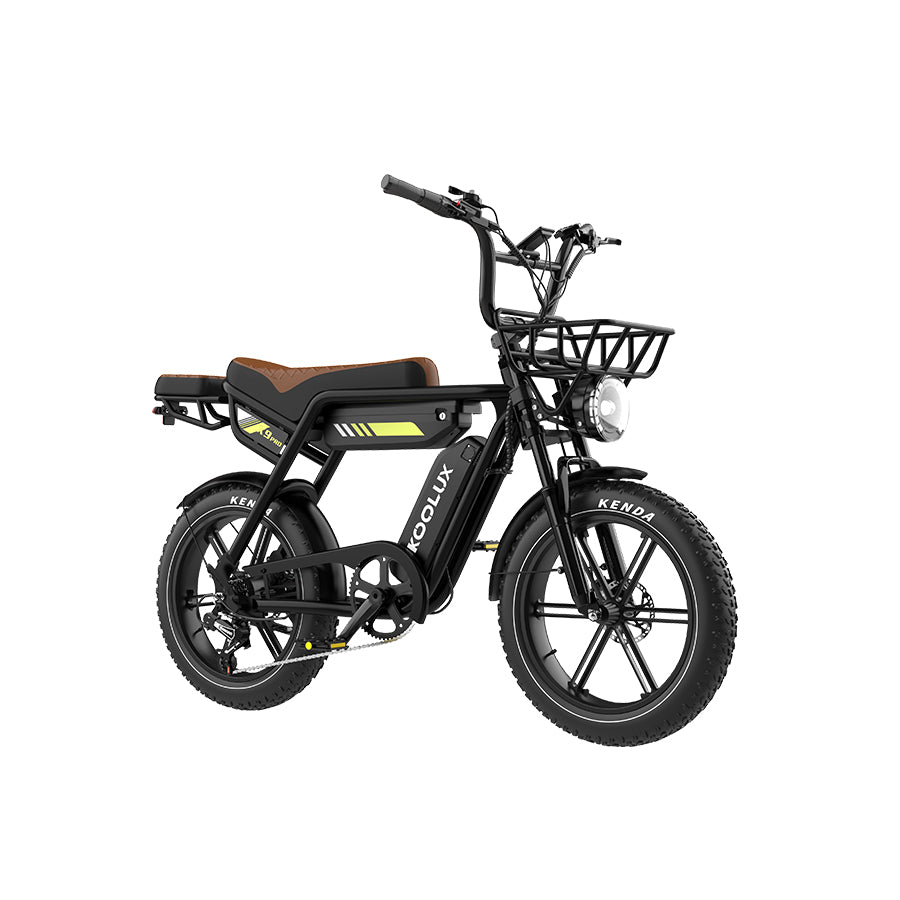
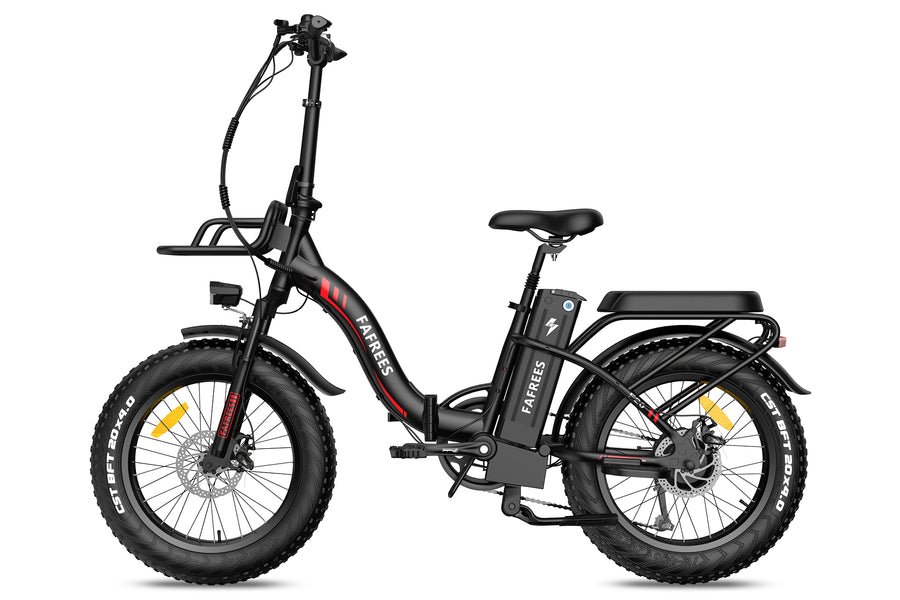
A fatbike is an electric bike built around extra-wide tyres (about 4 inches or more) that deliver outstanding grip and stability on almost any surface - snow, sand, mud, loose gravel, rocky trails and ordinary city streets. In practice a fat tyre electric bike is an all-terrain e-bike whose wide tyres soak up bumps and potholes far better than the narrow tyre of a standard bike. Our range has an electric fatbike for every need: comfortable city models for the daily commute, sturdy off-road models with real suspension for adventure, folding fatbikes that save storage space, and moped-style models for longer distances. Motor power runs from street-legal pedal assist of around 250 W up to more powerful motors, while battery capacity sets the range, reaching from a few dozen kilometres up to about 100 km depending on the model.
Official distributor · fast delivery in Estonia 1-3 business days · over 1000 satisfied customers · official importer's warranty.
Filter
Sort by:


Fatbike specifications - what they mean
Before you buy, it helps to know what the key specs mean for your ride:
- Wide tyres (about 4 inches) - the defining feature of a fatbike. A large tyre footprint at low pressure grips where a narrow tyre would sink, and it cushions impacts, so the bike stays planted on soft or uneven ground. Wider tyres also mean a softer, more comfortable ride on sand, snow and mud.
- Motor and torque - the motor sets your hill-climbing ability and how strong the pedal assist feels. A street-legal pedelec assists up to 25 km/h at around 250 W; more powerful models pull harder but may fall into the moped category. More torque matters most on loose ground and steep climbs.
- Battery and range - battery capacity (measured in Wh) determines how far you can go. A bigger battery means more range but also more weight. Real-world range depends on rider weight, speed, terrain and how much pedal assist you use.
- Suspension - many fatbikes have a suspension fork or full suspension that, together with the soft wide tyres, absorbs bumps. Suspension earns its keep on trails and forest tracks; on smooth city streets the tyres alone often do enough.
- Brakes - a heavier, faster bike needs strong stopping power. Hydraulic disc brakes give the most reliable braking, including in the wet and on slippery surfaces.
- Sturdy frame - fatbikes use a reinforced frame to carry the wide tyres, big battery and higher loads, which is why they often support a higher maximum rider weight. It also adds weight, so factor that in if you need to lift or carry the bike.
- All-season and winter use - this is where a fatbike shines. The wide tyre spreads weight over a larger area and floats over snow, slush and sand instead of digging in, making it a genuine year-round bike where a normal bike would get stuck.
Which model is right for you?
- Daily city and commuting: a city fatbike with a comfortable riding position, whose wide tyres smooth out cobbles and kerbs.
- Trails, forest and adventure: an off-road fatbike with a stronger motor, real suspension and deep, knobbly tyre tread. For a wider off-road choice, see our mountain bikes.
- Winter riding on snow and slush: a model with a deep tread pattern and solid disc brakes that stays sure-footed on slippery ground.
- Small storage or a car boot: a folding fatbike that packs down compactly - browse all foldable bikes.
- Longer distances and comfort: a larger-battery, moped-style fatbike with good range and a relaxed riding position.
Fatbike sales in Tallinn and across Estonia
Ampride offers a wide range of fatbikes for every rider - city, off-road, winter and folding models. Our fatbike sales run through our online store, where you can compare models side by side, read the technical details and make an informed choice. We deliver quickly across Estonia - to Tallinn, Tartu and everywhere else, usually within 1-3 business days - and offer the option to pay in three instalments or by hire purchase. Every product carries the official importer warranty, and service and spare parts are available here in Estonia. A fatbike is part of our broader electric bikes range, so if you are after a narrower-tyred bike for smooth roads you will find other models there.