
Last updated: 13 July 2026
The best electric scooter depends on where and how much you ride. For daily city commuting, a light model in the up-to-25 km/h light-vehicle class is the right pick. For longer rides, choose a bigger battery and suspension, and for off-road, a more powerful dual-motor machine. Below we compare options by use case, battery, speed and price class.
The short version
- Choose by use case: city commuting, longer rides and off-road each call for a different class of machine.
- For public roads in Estonia, the fit is a light electric vehicle with a design speed of up to 25 km/h. Faster models fall into another class with different requirements.
- A helmet is mandatory for riders under 16 and strongly recommended for everyone else.
- Battery capacity (Wh) says more about real range than the advertised kilometres. Expect real-world range to be lower.
- Our range covers several brands, including isinwheel, iScooter, OOTD and KuKirin. Compare models against your needs, not one brand.
How to choose an electric scooter?

Start with three questions: how long is your typical ride, what surface do you ride on, and do you need to carry the scooter or take it up stairs. The answers determine the battery size, tyre type and weight you need. Only then look at speed, extra features and price.
For short city hops, a light model that is easy to carry is enough. If you commute a longer distance daily, battery capacity, bigger wheels and suspension start to matter. On gravel and forest tracks you need treaded tyres, dual suspension and more power. You can browse the full range in our electric scooter collection.
What are the rules in Estonia?
In public traffic an electric scooter counts as a light electric vehicle (kergliikur) if its design speed is up to 25 km/h. Light vehicles may ride at up to 25 km/h, and riders under 16 must wear a fastened helmet. Models with a higher design speed are not light vehicles and face different requirements on public roads.
If a scooter's design speed exceeds 25 km/h, think through where you will ride it before buying, and check the insurance and registration requirements. We have covered them in a separate guide: electric scooter insurance in Estonia.
Best electric scooters by use case

| Use case | Example model | Key numbers | Who it suits |
|---|---|---|---|
| Daily city commuting | isinwheel S9 Pro | 350 W, 25 km/h, up to 30 km, 13.5 kg | Light-vehicle class: fine for public traffic, easy to carry |
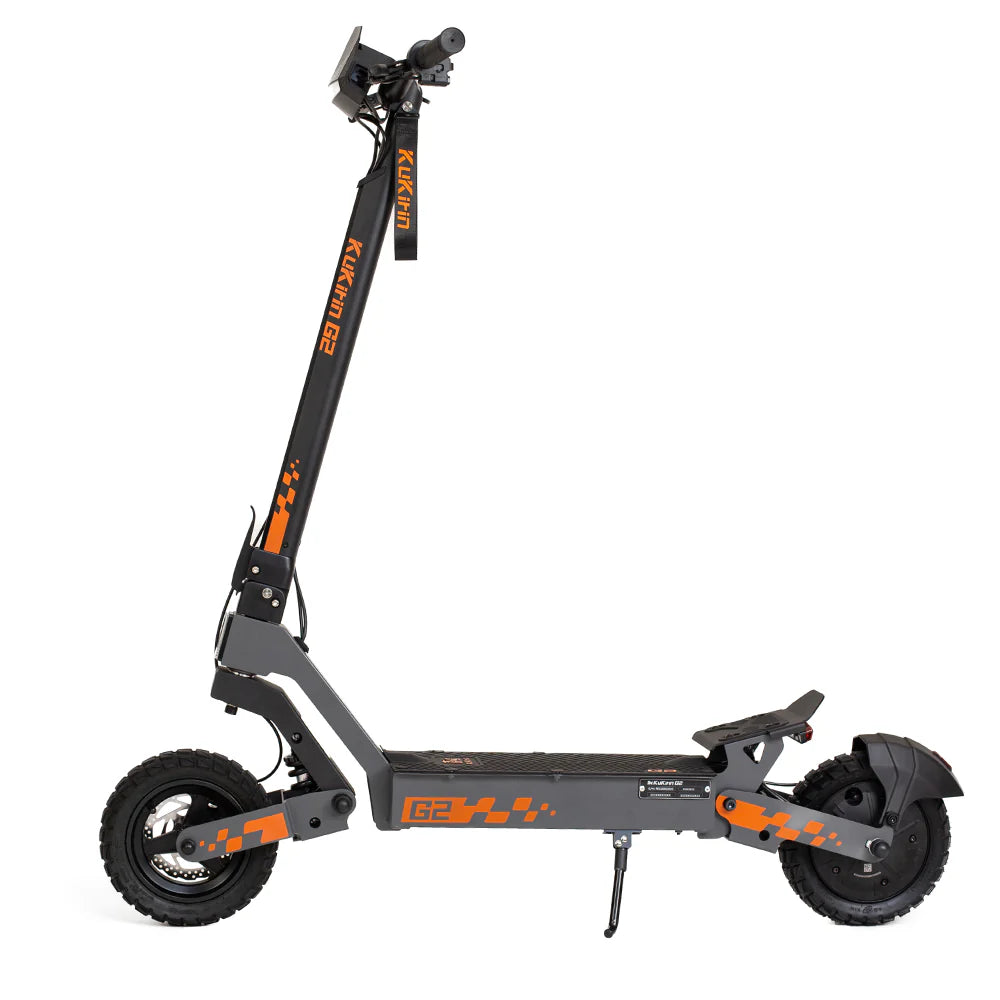
| Buyers' favourite: price and power in balance | Kugoo KuKirin G2 2026 | 800 W, up to 45 km/h, up to 55 km, 10-inch tyres | Our best-selling model by sales data; design speed exceeds the light-vehicle limit, see the rules section above |
| Longer rides and rougher surfaces | iScooter iX7 Pro | 2×1000 W, up to 80 km, 10-inch tyres, dual suspension | Experienced riders; design speed exceeds the light-vehicle limit, so different rules apply on public roads |
| Off-road and heavy conditions | iScooter iX8 | 2400 W, up to 70 km, 12-inch tyres, 150 kg load | Off-road riding on private land and tracks; not the light-vehicle class |
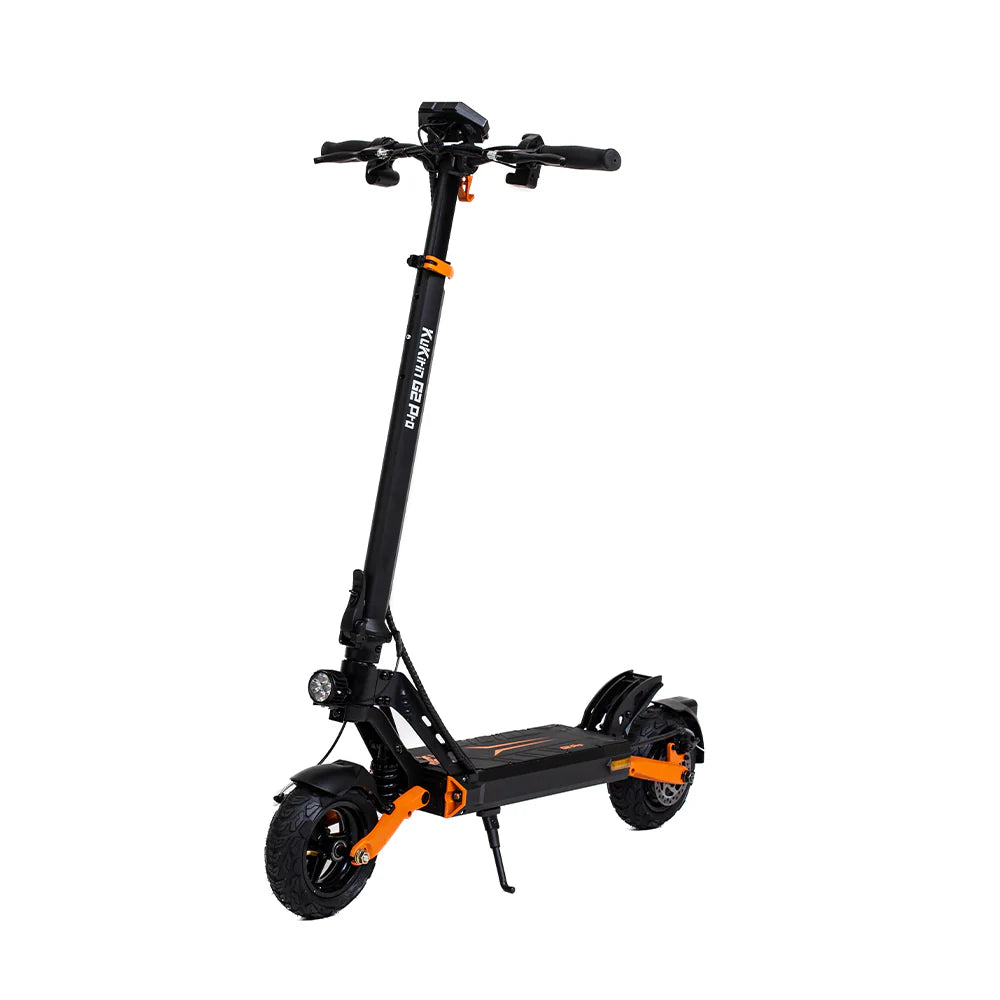
The KuKirin G2 series spans the same spectrum from an affordable city model to the more powerful Pro, Max and Master versions. Three-wheel and seated models are also available for riders who want more stability. For a deeper comparison of off-road models, read our off-road electric scooter guide.
Independent test winners, including models we do not sell
An honest comparison needs the whole market picture. That is why we also name models that score highly in independent tests but are not in our range. This way you can compare with the full picture and decide for yourself where to buy.
- Segway Ninebot Max G2 D: winner of the German consumer organisation Stiftung Warentest's July 2025 test (grade 2.3). Testers praised the comfort of the front and rear suspension and the 50 to 70 km range. We do not carry this model.
- Xiaomi Electric Scooter 4 Pro (2nd Gen): grade 2.6 in the same test. Testers praised its agility in city traffic and its regenerative brake. We do not sell this brand.
- Segway Ninebot MAX G3: a top performer in TechGearLab's 2025 lab tests, a premium model with hydraulic suspension and a powerful motor. Not in our range.
The strengths of our own range are a local warehouse in Estonia, fast delivery and local warranty service. For value for money, take a look at our buyers' favourite KuKirin G2 2026 and the other models in our collection.
Battery and real-world range
Battery capacity in watt-hours (Wh = voltage × amp-hours) is the most honest number for estimating range. Manufacturer kilometres are measured in ideal conditions: a light rider, flat road, warm weather and low speed. In practice, plan for roughly two thirds of the advertised range.
Cold weather cuts battery output noticeably, so winter rides are shorter still. If your daily trip is 15 km, pick a model with an advertised range of at least 30 km. That leaves margin for winter and for battery ageing.
How fast do you actually need?
In the city, a higher top speed adds almost nothing: traffic lights, junctions and shared paths keep the average speed low anyway. An up-to-25 km/h model is fully sufficient in town and the only class that rides freely in public traffic.
More power is justified for long distances, rough surfaces or quick acceleration on climbs. Such machines belong above all on private land and tracks, in the hands of an experienced rider who knows the rules and can handle the power.
What do the price classes buy you?
- Budget (under 500 euros): light city models, smaller battery, 25 km/h limit. A good first scooter and enough for most city riders.
- Mid-range (about 500 to 900 euros): bigger battery, suspension, better brakes and tyres. Suits longer daily commutes.
- Performance (over 900 euros): dual motors, long range and off-road capability. For experienced riders and specific use.
FAQ
Does an electric scooter need insurance?
Lighter models with a design speed of up to 25 km/h generally do not need mandatory traffic insurance; faster and heavier ones may. The exact thresholds and exceptions are in our insurance guide.
Can you ride an electric scooter in winter?
Yes, but battery output drops in the cold and slippery surfaces demand extra care. Keep the battery warm between rides and check tyre pressure regularly.
How long does the battery last?
A lithium battery typically handles several hundred full charges before capacity drops noticeably. Avoiding full discharges and storing the battery at moderate temperature extends its life.
Which electric scooter suits a child?
A child needs a lower-speed, lower-power model matched to their height and weight. We have a separate overview of the best electric rides for children.
Is a helmet mandatory?
For light-vehicle riders under 16, yes; for everyone else it is strongly recommended. Helmets and other protective gear are in our accessories collection.
If you already know what type you are after, compare speed, range and price side by side in our electric scooter collection.